
Sequel Overview: Children of Blood and Bone Continuation
Chapter 44 – Zelie
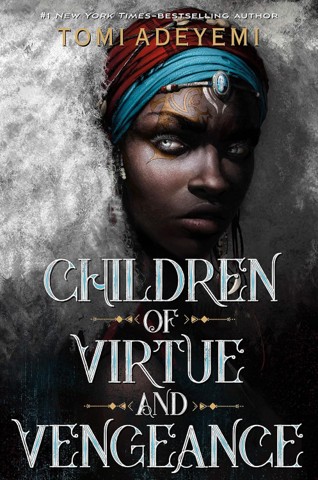
Children of Virtue and Vengeance by Tomi Adeyemi is the highly anticipated follow-up to the blockbuster Children of Blood and Bone. At the end of the first story, Zelie, Amari, Tzain, and their allies succeed in restoring magic to the Magi. This shift is not just literal but also symbolic, potentially restoring power and agency to a group that has long been oppressed by the non-Magi ruling regime.
Unexpectedly, the ritual also awakens magic in some non-Magi individuals, including Amari, adding a new layer of complexity to the balance of power in Orïsha.
Meanwhile, Inan has now become king. The former queen, now the Queen Mother, is still alive and in full possession of her powers, continuing to exert control and spread fear among the Magi.
Themes: Power, Oppression, and Magical Awakening
Shifts in Power Between Magi and Non-Magi
This continuation of the story raises immediate questions about how power is distributed and what it means for a society when that power structure is disrupted. The awakening of magic in non-Magi individuals complicates what initially seemed like a clear divide between oppressor and oppressed.
The world-building suggests that power is no longer strictly tied to identity or lineage in the same way, which introduces both opportunity and conflict.
World-Building Questions and Narrative Gaps
Are There Other Nations in Orïsha?
At this point in the story, I find myself wondering about the broader world beyond the immediate conflict.
- Are there other nations outside of Orïsha?
- If so, what is their stance on the rising conflict?
- Are they intervening, observing, or isolated from these events?
It feels like a map of the world would be helpful here to better understand the geopolitical context of the story and how this internal conflict fits into a larger system.
Final Thoughts (Early Reading Impression)
At this stage, the story is clearly expanding its scope beyond the initial rebellion, introducing new questions about identity, governance, and the nature of power itself.
Original draft written in December 2020.

