
Introduction: Reflecting on Humans by Tom Phillips
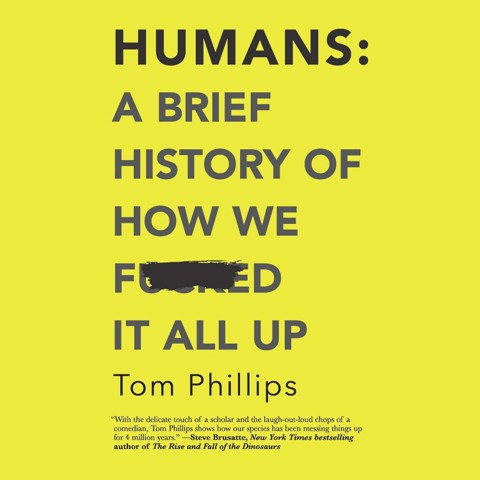
On October 1, 2020, I sat down to record my thoughts on Tom Phillips’ book Humans: A Brief History of How We Fcked It All Up. The book explores many of the major mishaps of humankind, from ancient history to modern times, and how those mistakes continue to shape us.
Lucy and the “Accidental Discovery” of Human Evolution
One of the earliest examples Phillips highlights is the discovery of Lucy, a famous fossilized ancestor. Anthropologists had long suspected a missing link between humans and chimp-like ancestors. That gap was partially filled when Lucy’s remains were discovered—ironically, because she had fallen from a tree and died. Her tragic accident helped unlock critical knowledge about human evolution.
Historical Failures Across Civilizations
The book also explores humanity’s collective blunders across history. European explorers in the Americas struggled with disease and famine. Indigenous peoples were deceived and conquered by conquistadores. These encounters highlight not only mistakes, but also how human missteps often reshaped entire civilizations.
The Hidden Dangers of Innovation
Phillips also draws attention to modern mishaps tied to innovation. The first train accidents, the earliest car crashes, and initial chemical disasters all came from trial and error. Every leap forward has carried unforeseen risks, often at the expense of human lives.
What Mistakes Are We Making Today?
Perhaps the most relevant takeaway is that we may be repeating history in new forms. Today, social media is one of the most obvious examples—platforms designed to capture attention and personal data are already showing harmful effects. Ironically, many tech leaders limit their own children’s access to these platforms, just as fast-food executives often avoid eating their own products.
Final Thoughts: A Cautionary Tale for the Future
Humans reminds us that mistakes are inevitable, but that doesn’t mean we should rush headlong into every new invention or idea. Instead, we should take our time, put safeguards in place, and learn from past failures. History shows us that while progress often comes from error, it also carries costs we may not fully recognize until much later.
Originally written in October 2020
 Gazing off into Space