
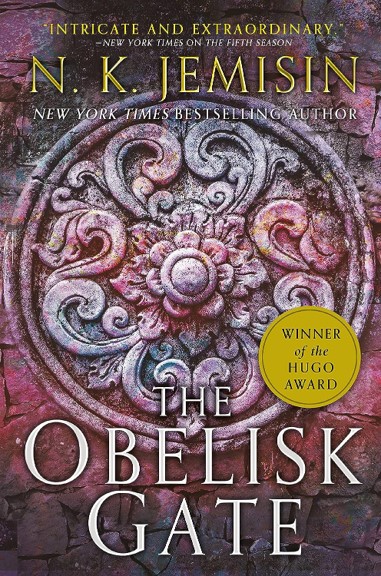
Character Perspectives and Intrigue in “The Obelisk Gate”
I just finished reading The Obelisk Gate by N. K. Jemisin. The story unfolds through the perspectives of three main characters, or rather, three and a half. We have Essun, Nassun, and Schaffa, along with occasional insights from Hoa. Throughout this book, as well as the previous one, there’s a pervasive sense of mystery. As the narrative progresses, we uncover more layers of this intricate world and delve deeper into the dynamics between its inhabitants, which only adds to the intrigue.
Essun’s Leadership in Castrima and Schaffa’s Insight
So Essun finds herself residing in the underground community of Castrima, a remnant of the past civilization. Here, characters gradually piece together fragments of the old world, with Essun eventually stepping into a leadership role within the community. As she navigates this new environment, she encounters other orogenes like herself, each wielding formidable power. Meanwhile, the narrative also provides glimpses into Schaffa’s perspective, offering insight into his thoughts and actions. However, the focus shifts as the story progresses, honing in on Hola’s viewpoint. There’s a lot to unpack in this book, with myriad developments and shifting perspectives to consider.
Character Transformations and Nuanced Portrayals
Hoa is definitely a fascinating character in this trilogy. One of the most intriguing aspects of the series is how the characters undergo profound transformations, transitioning from being perceived as “good” to “bad,” yet remaining complex and multifaceted throughout. There are no one-dimensional characters here; everyone is layered and nuanced.
Essun’s Complex Motherhood
Jemisin’s world-building skills shine through in this book, which is heavily character-focused. Take Essun, for example, our protagonist. While she possesses good intentions and means well, her treatment of her daughter paints a more complicated picture. From her daughter’s perspective, Essun’s actions may not appear loving or affectionate. However, understanding the harsh realities of their world and the necessity of survival, Essun’s tough approach to teaching her daughter stems from a place of concern and love. In a world where time is short and dangers are plentiful, Essun’s methods may seem harsh, but they are driven by her desire to ensure her daughter’s survival. It’s a complex portrayal of motherhood and love in a harsh and unforgiving world.

Nassun’s Struggle with Perception and Tension with Essun
Unfortunately, Nassun, as a child, struggles to comprehend the type of love that her mother, Essun, expresses through her tough teaching methods. This inability to perceive Essun’s actions as loving contributes to a natural tension between mother and daughter. As Nassun comes into her own powers, this tension is compounded by the underlying conflict between different factions of stone eaters, each with their own agenda for the use of orogenes like Nassun. Over time, it becomes clear that Essun and Nassun are being recruited for different purposes by these factions, adding further strain to their relationship. This growing tension and conflict are sure to lead to a significant confrontation in the third book, promising an intriguing and complex narrative.
Big Reveals and Pivotal Moments
In terms of big reveals, some readers may feel that The Obelisk Gate doesn’t have as many as the first book in the series. While the initial installment featured significant revelations like the identity of Damaya, Syenite, and Essun as the same person, as well as the revelation about Alabaster’s role in causing the world’s current state, the second book may appear to lack such major twists. However, there is a pivotal reveal at the very end of The Obelisk Gate, where we learn that Hoa was the one responsible for removing the moon from its orbit. This revelation sets the stage for further developments and adds another layer of complexity to the narrative.
Hoa’s Intriguing Revelation and Ambiguous Motives
Hoa’s revelation as the original cause of the fifth season raises intriguing questions about his motives and the implications for the future. It’s clear that Hoa’s actions were deliberate, driven by a desire for change, although the exact reasons behind his decision remain shrouded in mystery. Meanwhile, another faction of stone eaters, led by the enigmatic Gray One or DO, appears to have opposing intentions regarding the moon. While it’s hinted that DO seeks to bring the moon back for potentially nefarious purposes, the complexities of the narrative suggest that the truth may be more nuanced.
Complex Motivations and Ambiguous Characters
Throughout the series, characters who were initially perceived as either good or bad have undergone significant shifts, blurring the lines between morality and motivation. Hoa’s communication with Essun suggests that DO aims to exploit Nassun’s abilities for his own agenda, which may involve opening the gate for reasons that remain unclear. While DO is often portrayed as antagonistic, there’s a possibility that his intentions are not purely malevolent. Perhaps, like many characters in this morally ambiguous world, DO simply seeks to restore order and stability, albeit through questionable means. As the series progresses, unraveling the true motives of characters like DO and Hoa will undoubtedly add depth to the narrative and keep readers guessing until the very end.
Reevaluation of Hola’s Character and Moral Complexity
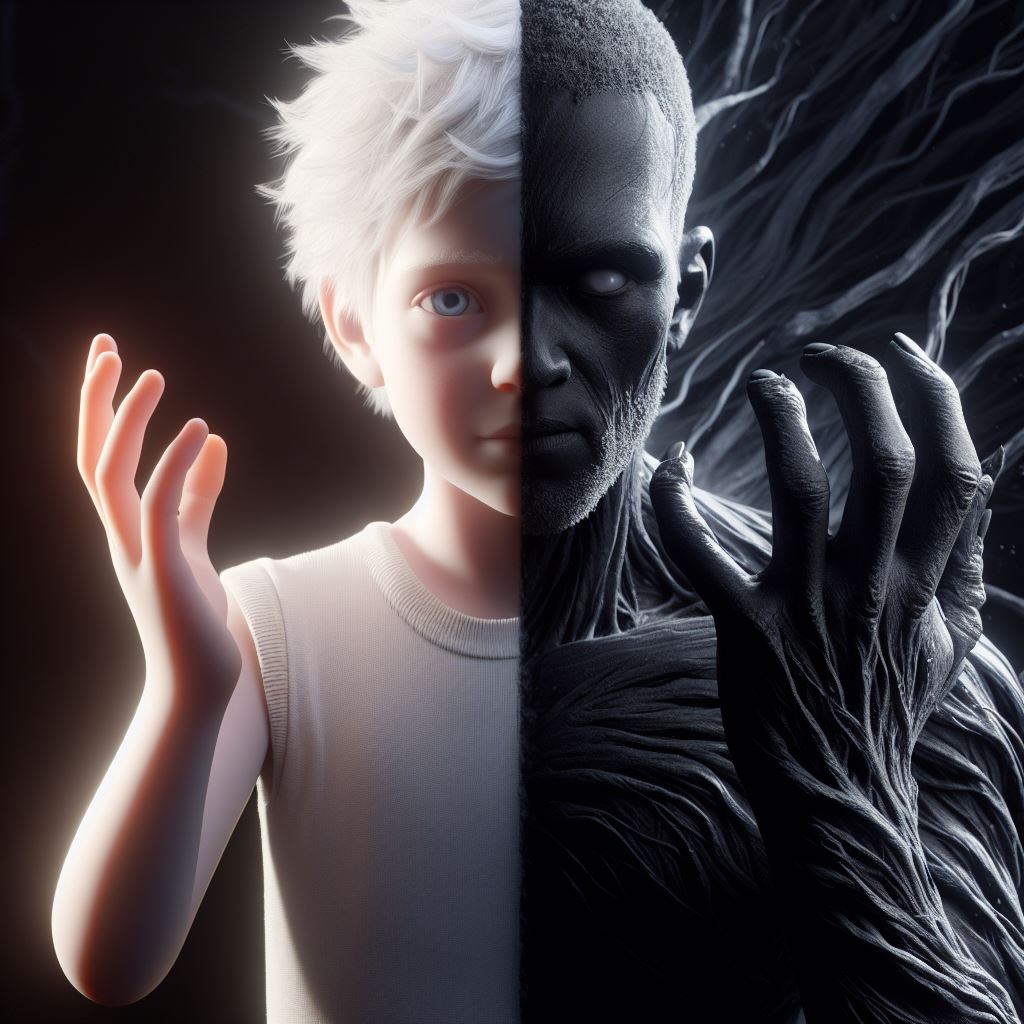
It’s an interesting twist to consider Hola’s role in the narrative. Initially portrayed as a protective figure guiding Essun and advocating for the restoration of the moon, the revelation that Hola was actually responsible for removing the moon adds a layer of complexity to his character. This revelation challenges our perception of Hola as a “good guy” and raises questions about his true intentions. While he may have initially seemed benevolent, his actions suggest a deeper, potentially more ambiguous agenda.
Exploration of Post-Apocalyptic Realities and Ethical Dilemmas
However, it’s important to note that this revelation may not have occurred at the end of The Obelisk Gate as initially thought, but rather may have been part of a preview or teaser for the next book. Nevertheless, it’s an intriguing development that promises to shake up the narrative and keep readers engaged in the series.
It’s entirely possible that in the next book, the narrative will explore Hola’s character in greater depth, revealing the motivations behind his actions and potentially evoking sympathy from readers. Similar to the transformation of Schaffa’s character throughout the series, Hola may initially be portrayed as antagonistic but later revealed to have more complex motivations and a deeper backstory that complicates our understanding of his role in the story. This shift in perspective could lead to a more nuanced portrayal of Hola as a character caught between shades of gray rather than simply being classified as “good” or “bad.”
Schaffa’s character arc serves as a precedent for this type of development, as he transitions from a seemingly caring mentor to a controlling figure with questionable motives, before ultimately undergoing a shift that blurs the lines between hero and villain. The exploration of morally ambiguous characters adds depth and complexity to the narrative, challenging readers’ perceptions and keeping them engaged with the story.
Overall, this potential development in Hola’s character promises to be an intriguing aspect of the next book in the series, offering readers a deeper understanding of the complexities of the world and its inhabitants.
Indeed, the characters in The Obelisk Gate and the broader Broken Earth series are portrayed with complexity and nuance, reflecting the multifaceted nature of real people. They defy simple categorization into strict archetypes of “good” or “bad,” instead embodying shades of gray that mirror the world they inhabit. The aftermath of the cataclysmic events that led to the fifth season has left the world itself shrouded in gray, with ash and debris blanketing the landscape and symbolizing the moral ambiguity that pervades society.
Even the Earth itself, often perceived as a malevolent force, is depicted in a more nuanced light. While its actions may seem destructive and vengeful, there are hints of a deeper, more complex relationship between humanity and the planet. The notion of revenge for the removal of the moon adds another layer of complexity to Earth’s character, suggesting that its motivations may be driven by more than mere malice.
Overall, the portrayal of characters and the world in The Obelisk Gate reflects the intricate interplay of light and shadow, good and evil, that defines the human experience. Each character, as well as the world itself, is imbued with shades of gray, inviting readers to explore the complexities of morality and identity in a rich and compelling narrative.
The inclusion of Nassun’s perspective initially gave me pause, as I wasn’t sure I wanted to delve into her point of view. However, as the story progressed, I found myself drawn in by the intriguing storytelling and gained a newfound appreciation for her character arc.
It’s important to acknowledge that the world depicted in “The Obelisk Gate” is firmly entrenched in a post-apocalyptic setting, where brutality and violence are pervasive elements of daily life. Characters like Schaffa exhibit this brutality in stark ways, resorting to extreme measures such as punching holes in faces and taking lives without hesitation.
The conflict between communities, such as the clash between the communes and the cash-demons, highlights the ruthless nature of survival in this harsh landscape. Essun’s own experiences reflect this brutality, as she endures physical harm and unleashes destructive powers to protect herself and others. The consequences of her actions, such as turning adversaries to stone, underscore the grim reality of warfare and the moral complexities that arise in such situations.
“The way of the world isn’t the strong devouring the weak, but the weak deceiving and poisoning and whispering in the ears of the strong until they become weak, too.”
― N.K. Jemisin, The Obelisk Gate
While it may be tempting to rationalize these actions as necessary for survival or justified by the circumstances, the ethical implications remain unsettling. The indiscriminate nature of violence and the collateral damage inflicted on innocent lives challenge our perceptions of morality and force us to confront the harsh realities of life in a post-apocalyptic world.
Parental Relationships and Generational Disconnect
Returning to Nassun’s perspective sheds light on a common theme: the disconnect between parents and children. While we, as readers, understand Essun’s good intentions and love for her children, Nassun’s experience growing up paints a different picture. Essun’s focus on preparing Nassun for survival in a harsh world led to a lack of emotional warmth and affection, leaving Nassun feeling unloved and misunderstood.
From Nassun’s viewpoint, her mother’s actions appear harsh and unfathomable. She struggles to comprehend why her mother would prioritize teaching survival skills over demonstrating love and nurturing. This disconnect deepens the divide between them, as Nassun questions not only her mother’s methods but also her motives and emotions.
This exploration of parental relationships and the complexities of understanding one another adds layers of depth to the narrative. It underscores the challenges of communication and empathy within families, especially in environments shaped by hardship and adversity. As Nassun grapples with her mother’s decisions and seeks to reconcile her own feelings, she reflects a universal experience of children grappling with the perceived shortcomings of their parents.
Nassun’s Recognition and Reflection
It sounds like Nassun is beginning to recognize similarities between her mother’s teachings and the practices of the Northern Community. Despite initially viewing her mother’s methods as tough, Nassun starts to notice parallels in the lessons she receives elsewhere. This realization prompts her to reflect on her mother’s influence and the origins of her teachings. As Nassun observes similarities between her upbringing and the experiences of others, she begins to piece together where her mother’s methods may have originated and how they have influenced her own development. This recognition could lead to a deeper understanding of the complexities of parental guidance and the ways in which individuals are shaped by their upbringing and environment.
Hope for Understanding and Empathy
It seems that Nassun’s initial reaction didn’t significantly soften her perception of her mother, but there’s hope that upon further reflection, she’ll come to realize that her mother’s actions were influenced by her environment and experiences. Understanding the trauma her mother faced, including the heartbreaking decisions she had to make to protect her children, may lead Nassun to empathize with her mother’s struggles and choices.
The complexity of the relationship between Essun and Alabaster adds another layer of depth to the story. Despite moments of both love and hate between them, their dynamic also involves mentorship and complicated life experiences. Alabaster’s transformation into a stone eater raises questions about the origins of these enigmatic beings and their connection to the previous civilization. It’s possible that they were once ordinary people who, like Essun and Alabaster, had their powers pushed to the limit, leading to their transformation into stone eaters.
Themes of Transformation and Thought-Provoking Depth
These themes of parental influence, trauma, and transformation are just some of the thought-provoking aspects of the book. As you continue to reflect on its themes and complexities, you may uncover even more layers to explore. It’s clear that the story offers rich material for further analysis and discussion.
Original draft written in August 2019
 Gazing off into Space