
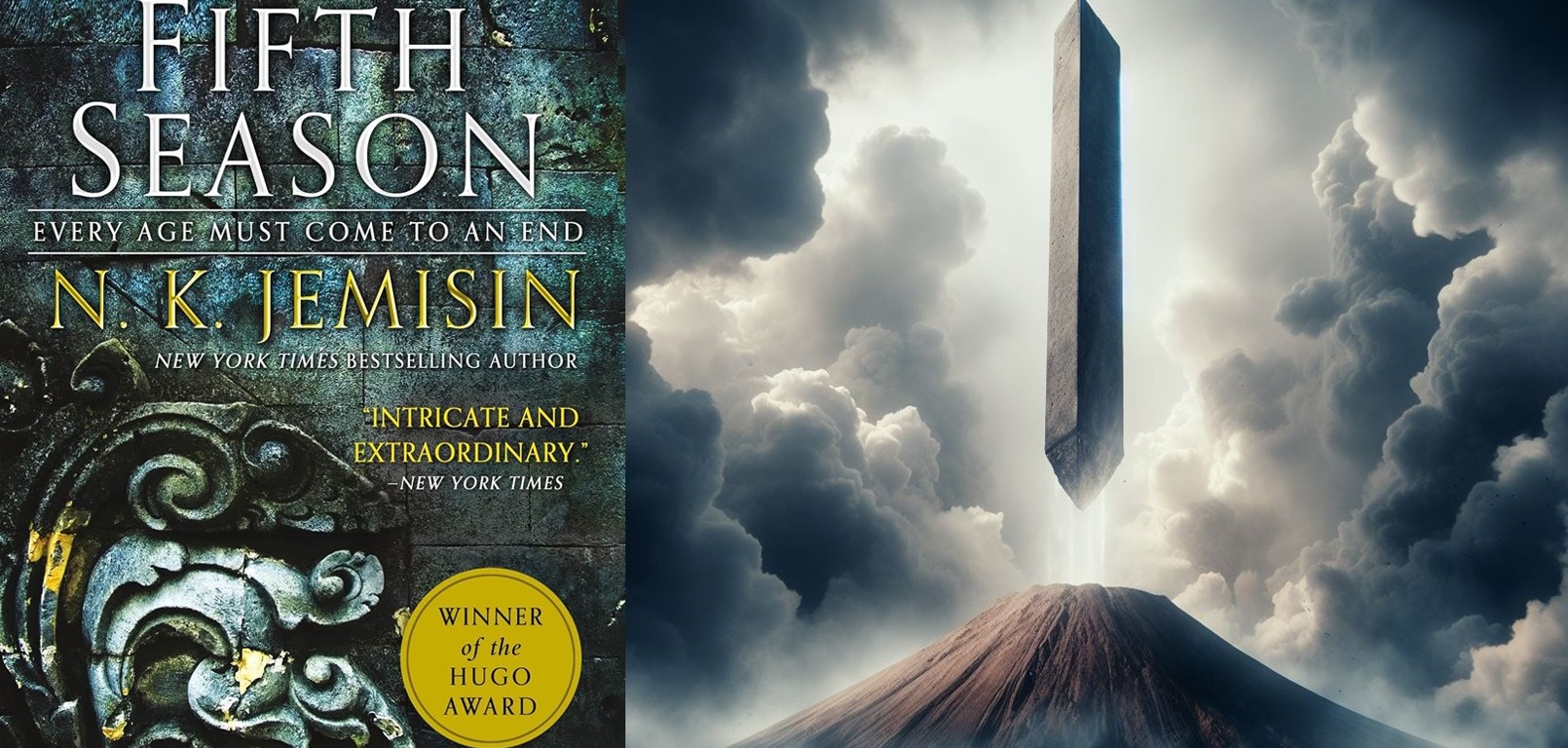
These are my reflections on the book The Fifth Season by N.K. Jemisin up to page 70-something.
A noticeable aspect of the book is the robust social caste structure within this world. This is quite evident. Individuals are inherently assigned to a specific social caste based on their physical traits and abilities at birth. However, it is noteworthy that one can also transition between castes. This seems to be the prevailing theme as of now.

Indeed, the narrative delves into classism, a topic inherently intertwined with racism, especially within the context of the United States. This thematic connection is deeply ingrained. While perusing character descriptions, a striking observation emerges. A significant number of characters are described as being black. Interestingly, despite the author being a Black woman, I find myself defaulting to the assumption that characters are not Black. It’s a habit I haven’t completely overcome, and it underscores a notable contrast with works by African author Chimamanda Ngozi Adichie.
Adichie’s stories, set in Africa, naturally feature black characters. Even if she doesn’t explicitly mention their skin color or hair texture, one instinctively concludes, “Okay, these characters are probably black.” In contrast, within this entirely fictional world, the author’s choice to depict most characters as black is a conscious decision. It prompts a reflective pause as it challenges ingrained perceptions.
Moving on, recurring themes become apparent. The theme of loss and its profound impact is prevalent, particularly with one of the main characters, who appears to be the central figure. Having experienced the tragic loss of her son, she grapples with the fear that her daughter may face a similar fate. Complicating matters, she possesses the ability to take lives, an attribute that instills fear in others. The narrative navigates the societal perception of those with such powers, depicting them as powerful yet feared entities.
Original draft written in May 2019
 Gazing off into Space