
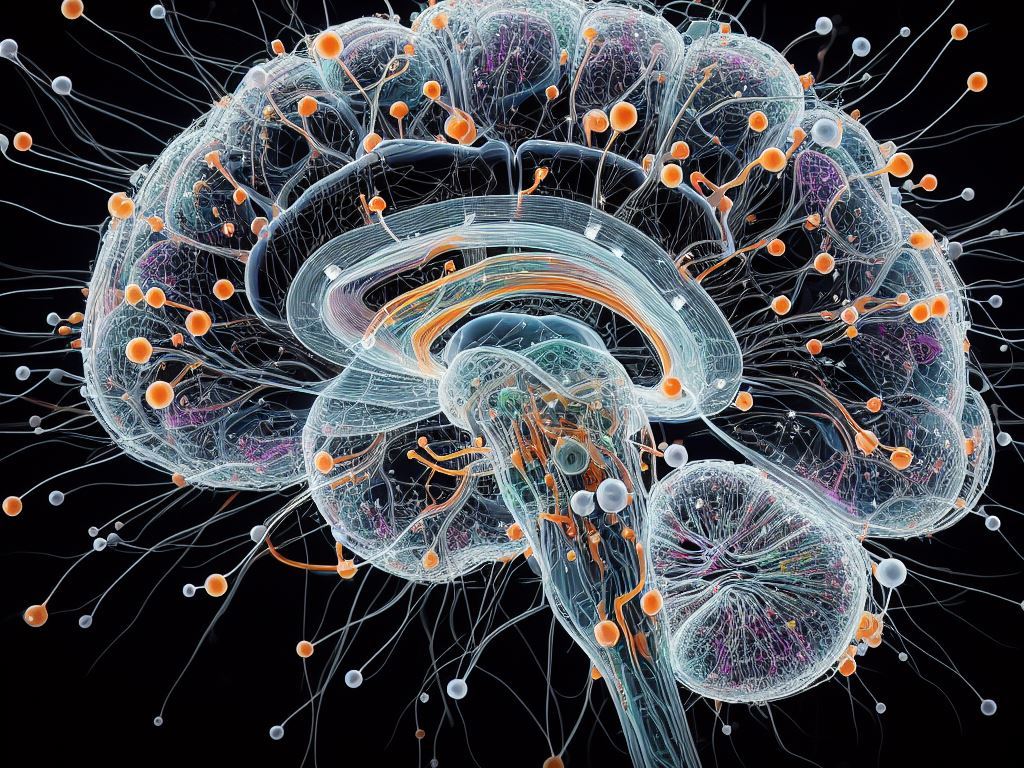
Natural compensatory mechanisms within the nervous system play a crucial role in mitigating defects in various components of the system. These mechanisms have garnered attention for their potential influence on resilience to depression, as evidenced in studies involving mice (Friedman et al., 2014). While there are indications of compensatory processes at work in different neurological conditions, they often fall short of fully rectifying the defects. Furthermore, intriguingly, emerging research hints at the possibility that homeostasis might extend beyond the level of individual neurons to encompass entire neural networks (Marder and Goaillard, 2006).
Despite these compelling findings, the specific mechanisms underlying neuronal homeostasis remain shrouded in mystery. Identifying and comprehending these mechanisms could hold the key to unlocking potential therapeutic targets for a range of neurological disorders.
Original draft written in August 2016.
References
Friedman AK, Walsh JJ, Juarez B, Ku SM, Chaudhury D, Wang J, Li X, Dietz DM, Pan N, Vialou VF, Neve RL, Yue Z, Han MH. Enhancing depression mechanisms in midbrain dopamine neurons achieves homeostatic resilience. Science. 2014 Apr 18;344(6181):313-9. doi: 10.1126/science.1249240. PMID: 24744379; PMCID: PMC4334447.
Marder E, Goaillard JM. Variability, compensation and homeostasis in neuron and network function. Nat Rev Neurosci. 2006 Jul;7(7):563-74. doi: 10.1038/nrn1949. PMID: 16791145.
 Gazing off into Space