
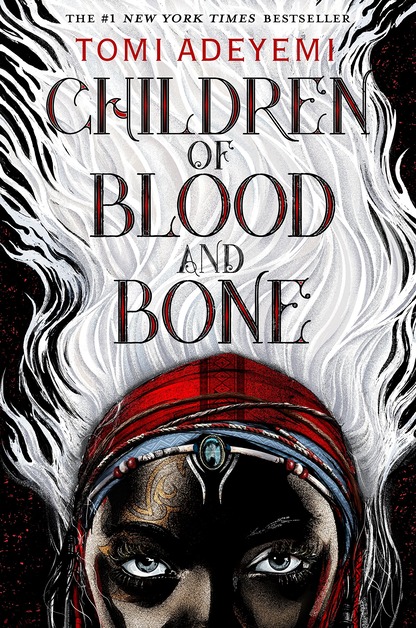
Children of Blood and Bone
From the very first chapter of Children of Blood and Bone by Tomi Adeyemi, I was drawn in. I was immediately pulled into a world filled with magic, oppression, and the resilience of the human spirit. This novel explores themes of colorism, prejudice, power, trauma, loss, and the complexities of sibling relationships all set in a fantastical city possibly inspired by the real life Lagos, Nigeria. Through the eyes of diverse and complex characters, Adeyemi tells a story that kept me wanting to know what happens next.
The World of Orïsha and Prejudice
Children of Blood and Bone introduces readers to the world of Orïsha, a fantastical city maybe inspired by Lagos, Nigeria. In this world, people with magical powers, known as diviners, are hunted down, murdered, oppressed and discriminated against, while those without powers hold prejudice against them. In this world, Black people possess magical powers and were born with white hair. These magical beings were once revered as keepers of peace until a group of individuals misused their powers, resulting in the loss of magic for all. The protagonist believes that the gods who granted their powers actually perished, leaving their world without magic.
Character Dynamics and Growth
The book presents a diverse cast of characters, each with their unique struggles and growth arcs. The protagonist, Zelie, is a headstrong and skilled fighter, yet she grapples with recklessness and a temper. She embarks on a perilous journey, facing internal and external obstacles that shape her character.
Amari is another prominent character in the book and is a princess who challenges the prejudices of her own family and undergoes significant growth. Princess Amari, despite her royal lineage, is subjected to the pressures of colorism, causing her to question her worth, showcasing how even those in positions of privilege face their own challenges and burdens.

Sibling Relationships and Character Development
The book also delves into sibling relationships, contrasting the close bond between Zelie and her brother Tzain with the complicated dynamic between Amari and Inan. Zélie and Tzain share a deep bond, always supporting and protecting each other. On the other hand, Amari and Inan’s relationship is fraught with conflict and distance, but as the story unfolds, they find their paths converging once again. Their sibling relationships, both within and across families, add depth to the narrative and highlight the importance of understanding and empathy. Through their interactions, the author explores the complexity of love, intention, and context within familial connections.
Exploring African Mythology and Worldbuilding
Children of Blood and Bone is steeped in African mythology, presenting a rich and immersive world. The author weaves a captivating tale filled with magical creatures and a deep-rooted creation story. It’s intriguing to ponder how real-life mythology and spirituality influenced the book’s narrative.
Exploring Trauma, Loss, and Conflict
Children of Blood and Bone fearlessly addresses themes of trauma, loss, tragedy, and conflict. Adeyemi presents these aspects in a realistic manner, showing how they shape and define characters throughout their lives. By doing so, she offers readers a more authentic representation of the impact of trauma, defying the tendency in other media to downplay or disregard its lasting effects. The book’s exploration of these darker aspects of human nature adds depth to the story and underscores the resilience and strength of the characters.

I teach you to be warriors in the garden so you will never be gardeners in the war.
Tomi Adeyemi, Children of Blood and Bone (Legacy of Orïsha, #1)
A Predictable Yet Effective Hero’s Journey
While Children of Blood and Bone follows a familiar hero’s journey template, it does so effectively. The narrative structure keeps readers engaged, with each chapter ending on a cliffhanger that compels them to keep turning the pages. Adeyemi’s storytelling prowess, reminiscent of popular series like Harry Potter, showcases her ability to weave a compelling tale even within a familiar framework. The book may not heavily rely on intricate literary techniques, but its well-crafted characters and engaging plot make it a captivating read.
Looking Ahead
As the first book in a series, Children of Blood and Bone ends with many unanswered questions and potential paths for future exploration. Will acceptance and understanding prevail, or will tensions escalate in a new era of magical abilities? The next installment holds the promise of further character development and an evolution of the world created by Tomi Adeyemi.
Conclusion
Children of Blood and Bone is a compelling and well-crafted fantasy novel that tackles important themes with depth and nuance. Tomi Adeyemi’s storytelling prowess shines through her diverse cast of characters, each grappling with their own internal struggles and external conflicts. While the book follows a familiar hero’s journey, its engaging narrative and relatable characters make it a captivating read.
Through the exploration of prejudice, colorism, and classism, Adeyemi invites readers to reflect on real-world issues while being immersed in a fantastical setting. Children of Blood and Bone is an exciting start to a series that promises to captivate readers with its rich world-building and thought-provoking storytelling. Whether you are a fan of fantasy or simply appreciate a well-told tale, this book is a must-read that will leave you eagerly anticipating the next installment.
 Gazing off into Space
2 thoughts on “Review of Children of Blood and Bone by Tomi Adeyemi”